Charity argues suspension is irrational and breaches Equality Act and best interests duties to children




Safe Passage International has been granted permission to bring a judicial review against the Home Office over its suspension of the refugee family reunion pathway. The case, filed in November 2025, was approved by the High Court on 19 February 2026 and is expected to be heard later in the year. According to the Guardian, Mr Justice Fordham accepted that the suspension could be challenged after hearing that it may breach the Home Office's duty to safeguard and promote the welfare of children.
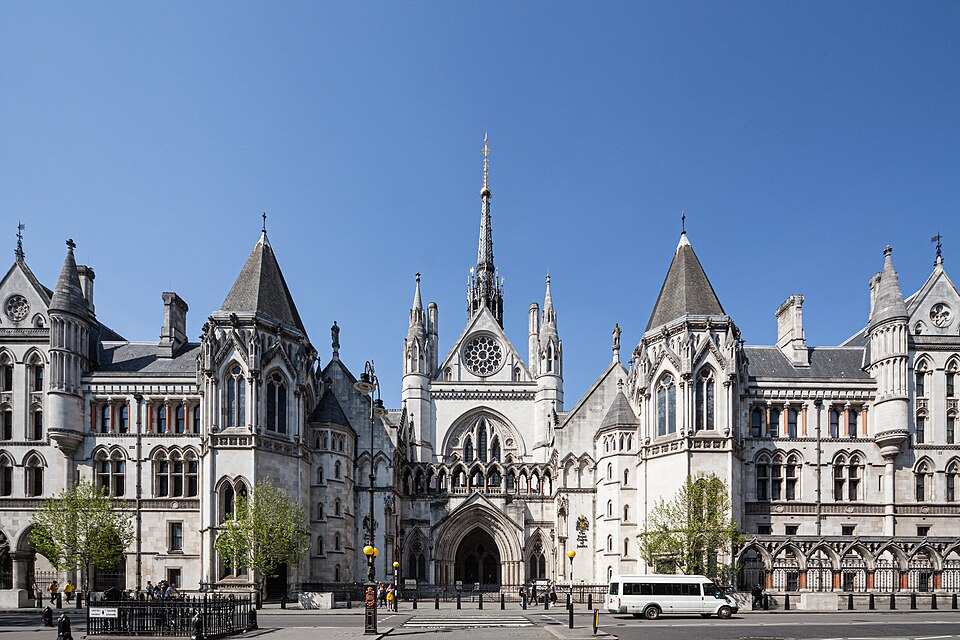 Image credit: WikipediaThe suspension, which has been in force since 4 September 2025, halted a dedicated route that enabled recognised refugees to sponsor immediate family members without application fees or income requirements. Affected families must now apply under general family migration rules, which involve application fees, immigration health surcharges, and minimum income thresholds.
Safe Passage International, represented by Asylum Aid, argues the decision is unlawful on three principal grounds: irrationality, breach of statutory duties concerning children's welfare, and breach of the Equality Act 2010.
On irrationality, the charity contends the Home Office failed to properly consider the consequences of suspending the dedicated reunion route, including whether requiring refugees to use alternative immigration pathways would achieve the intended policy aims. It argues that forcing refugees to rely on more complex and costly routes creates unnecessary procedural and financial burdens, even where applications may ultimately succeed on the basis of exceptional circumstances, and may delay or prevent family reunification.
The claim also argues the decision breaches the Home Office's duty to safeguard and promote the welfare of children. Safe Passage International says the suspension fails to adequately consider the impact on children who may remain separated from parents in conflict zones, refugee camps, or other unsafe conditions. Without access to a safe reunion route, some children may face prolonged separation or attempt dangerous journeys to reunite with family members.
In addition, Safe Passage International argues the decision breaches the Equality Act 2010 by failing to consider its disproportionate impact on protected groups, including women, children, and refugees with disabilities. According to Home Office data cited by the charity, women and children accounted for 92% of refugee family reunion grants before the suspension. The charity says that financial requirements and application fees under alternative immigration routes are likely to be particularly difficult for refugees to meet, given barriers to employment and financial stability associated with displacement and seeking protection.
Safe Passage International highlighted one case to illustrate the impact of the suspension, where a Palestinian refugee in the UK was able to submit a family reunion application just before the suspension took effect. His wife and children remain in Gaza, and the charity said that if the application had been made after the suspension, the family would have faced visa and immigration health surcharge costs exceeding £17,000, which they could not afford.
The charity is seeking public support through a crowdfunding campaign on CrowdJustice to fund the legal challenge. It aims to raise £75,000 to cover the costs of the judicial review and currently has raised just under £5,000. Safe Passage International said that funds raised will support legal representation and its ongoing work providing free assistance to refugee children and their families.