Act aims to accelerate investigations, improve arrests and convictions, and reduce the operational capabilities of smuggling gangs




Following a successful passage thorough Parliament, the Border Security, Asylum and Immigration Act received Royal Assent today and has become law. The legislation introduces new powers aimed at disrupting people smuggling gangs and enhancing law enforcement operations at the UK border.
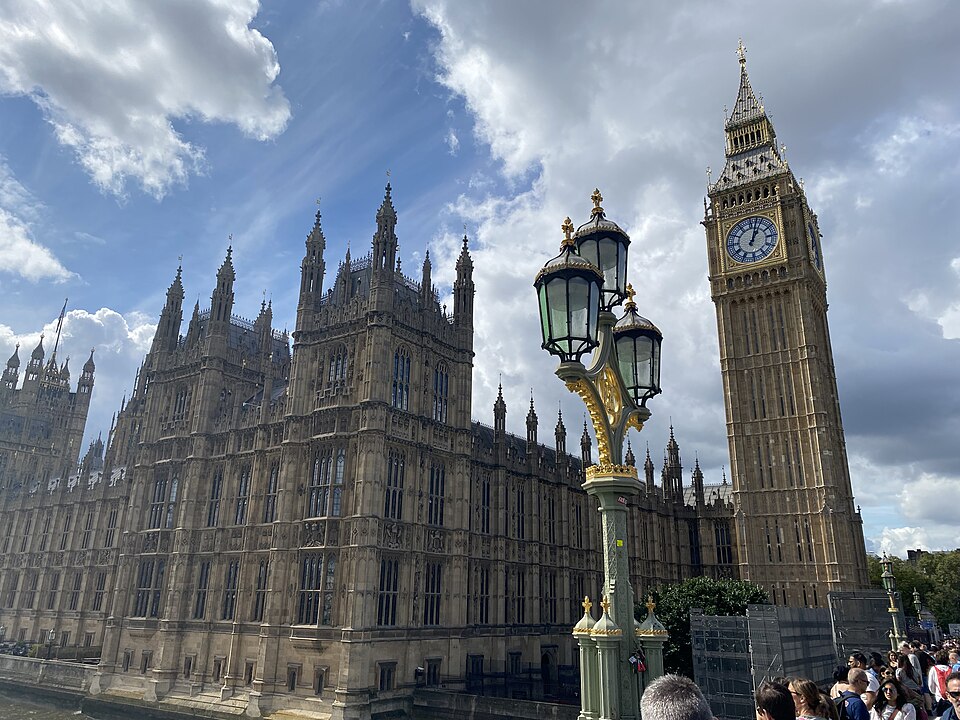 Image credit: WikipediaYou can access the full Act here.
A Home Office press release highlighted that key measures in the Act include:
- Enabling Immigration Enforcement, police, and the National Crime Agency (NCA) to access mobile phone data from 'illegal migrants' to gather intelligence and prosecute people smugglers. Phones can be seized during property, vehicle, or premises searches without an arrest.
- Creating criminal offences related to people smuggling, including supplying or handling small boat parts (up to 14 years in prison), downloading or recording smuggling information (up to 5 years), and importing or modifying vehicles to hide migrants (up to 5 years).
- Making it an offence to endanger lives during small boat crossings (up to 6 years) or to create online material promoting illegal migration.
- Excluding foreign sex offenders from protections under the Refugee Convention.
- Placing the UK Border Security Command on a statutory footing, enabling its lead to coordinate strategic priorities with law enforcement and intelligence agencies to disrupt organised smuggling networks.
The Government says that the Act's measures aim to accelerate investigations, improve arrests and convictions, and reduce the operational capabilities of smuggling gangs. According to the Home Office, recent government data shows a 33% increase in smuggling-related arrests, convictions, and seizures over the past year, alongside the dismantling of nearly 900 organised immigration crime networks.
In addition, the Act repeals the Safety of Rwanda Act 2024 and most provisions of the Illegal Migration Act 2023.
The United Nations High Commissioner for Refugees (UNHCR) previously commented on the Border Security, Asylum and Immigration Bill in detailed observations published in May, recognising the Government's efforts to combat transnational organised crime and reduce exploitation of migrants and refugees. However, UNHCR expressed concern that some of the new offences, particularly those relating to preparatory acts for people-smuggling, may lack sufficient safeguards to ensure only those responsible for financial or material gain from smuggling are prosecuted. The agency also highlighted that the new offence of "endangering" during sea crossings could criminalise actions by passengers in life-threatening circumstances, and urged amendments to clearly define the scope and ensure appropriate defences.
UNHCR additionally cautioned that the Bill's widening of offences that could lead to the removal of refugees from the UK risks exceeding the intended scope of protections under the Refugee Convention. The agency noted that withdrawing protection should remain exceptional, and only apply where a refugee poses a genuine and grave danger to security or the community. UNHCR recommended careful application of these provisions and amendments to ensure the measures are proportionate, targeted, and consistent with the UK's international obligations.