Update from Wilson Solicitors on judicial review of February 2025 Home Office guidance that normally refuses citizenship to illegal entrants




Wilson Solicitors reported on Monday that the High Court has granted permission for a full judicial review of the Home Office's policy guidance on assessing "good character" in applications for British citizenship. The case will be heard over three days, from 9 to 11 June 2026, before the Divisional Court, which considers judicial reviews raising issues of significant public importance. A written judgment is expected several months after the hearing.
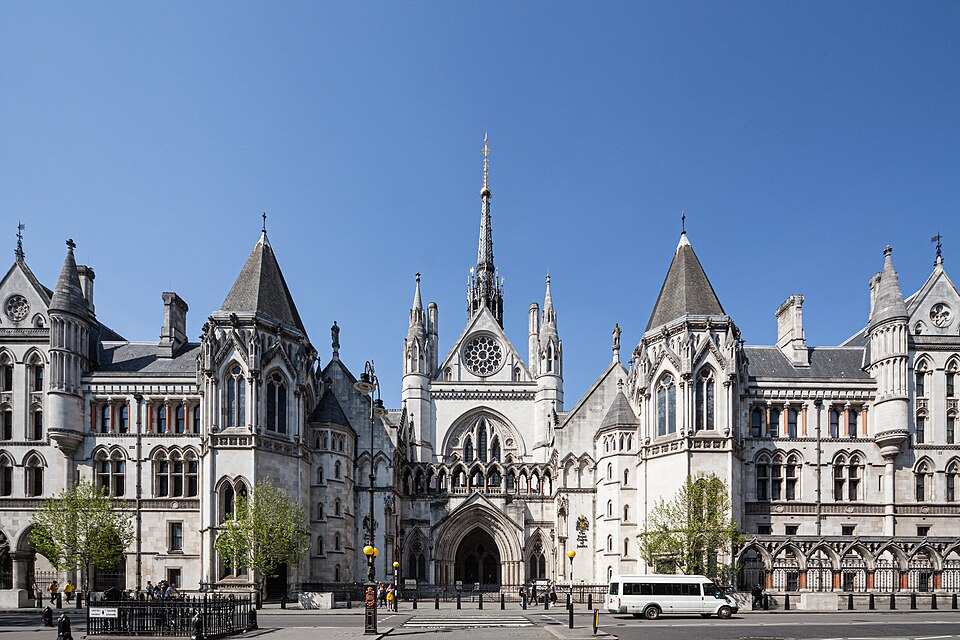 Image credit: WikipediaAccording to Wilsons, the proceedings will focus on four lead claimants, all of whom are recognised refugees with indefinite leave to remain in the UK. Other claimants represented by the firm have had their cases paused pending the outcome of the lead claims. The Court has also allowed certain applicants additional time to challenge refusals or the policy itself, extending the usual judicial review time limits until three months after the lead cases are decided. Wilsons published a copy of the Court's permission order here.
The legal challenge concerns amendments made to the Home Office's Good character: caseworker guidance in February 2025. As Wilsons explained in earlier articles published in March and May 2025, the revised guidance states that people who entered or arrived in the UK illegally will normally have their applications for British citizenship refused, regardless of how long ago the entry occurred. Under the previous policy, some historic immigration breaches could be disregarded once an applicant had been granted indefinite leave to remain and had demonstrated good character since that point.
In an update published in July 2025, Wilsons said that the Home Office had initially indicated in pre-action correspondence that it intended to amend the guidance to address the position of people who would have a defence under section 31 of the Immigration and Asylum Act 1999. However, the firm reported that Home Office lawyers later confirmed there was no timetable for issuing revised guidance and no clarity on what amendments, if any, would be made.
The judicial review grounds filed by Wilson Solicitors in June 2025 argue that the policy is unlawful for several reasons. The firm says the policy gives incorrect direction to Home Office decision-makers about the law, including how provisions of the Refugee Convention relating to refugees' entry and naturalisation should be applied. It also argues that the guidance does not require officials to properly consider the impact of a refusal on an applicant's right to respect for private and family life under the European Convention on Human Rights. In addition, Wilsons contend that the policy operates in a discriminatory way, and that it is unlawful under domestic public law principles because it undermines the purpose of citizenship legislation and is irrational.
The Home Secretary denies the claims. Wilsons reported in July 2025 that the Government's defence emphasises the discretion available to decision-makers to assess good character on an individual basis, and argues that refusal of naturalisation does not amount to a "penalty" for the purposes of Article 31 of the Refugee Convention.
Wilson Solicitors also reported that some individuals affected by the policy have already secured British citizenship following legal challenges. In one case reported by the Guardian in December, a refugee from the Democratic Republic of the Congo successfully challenged a refusal made under the amended guidance, in what was thought to be the first successful challenge under the revised policy.